
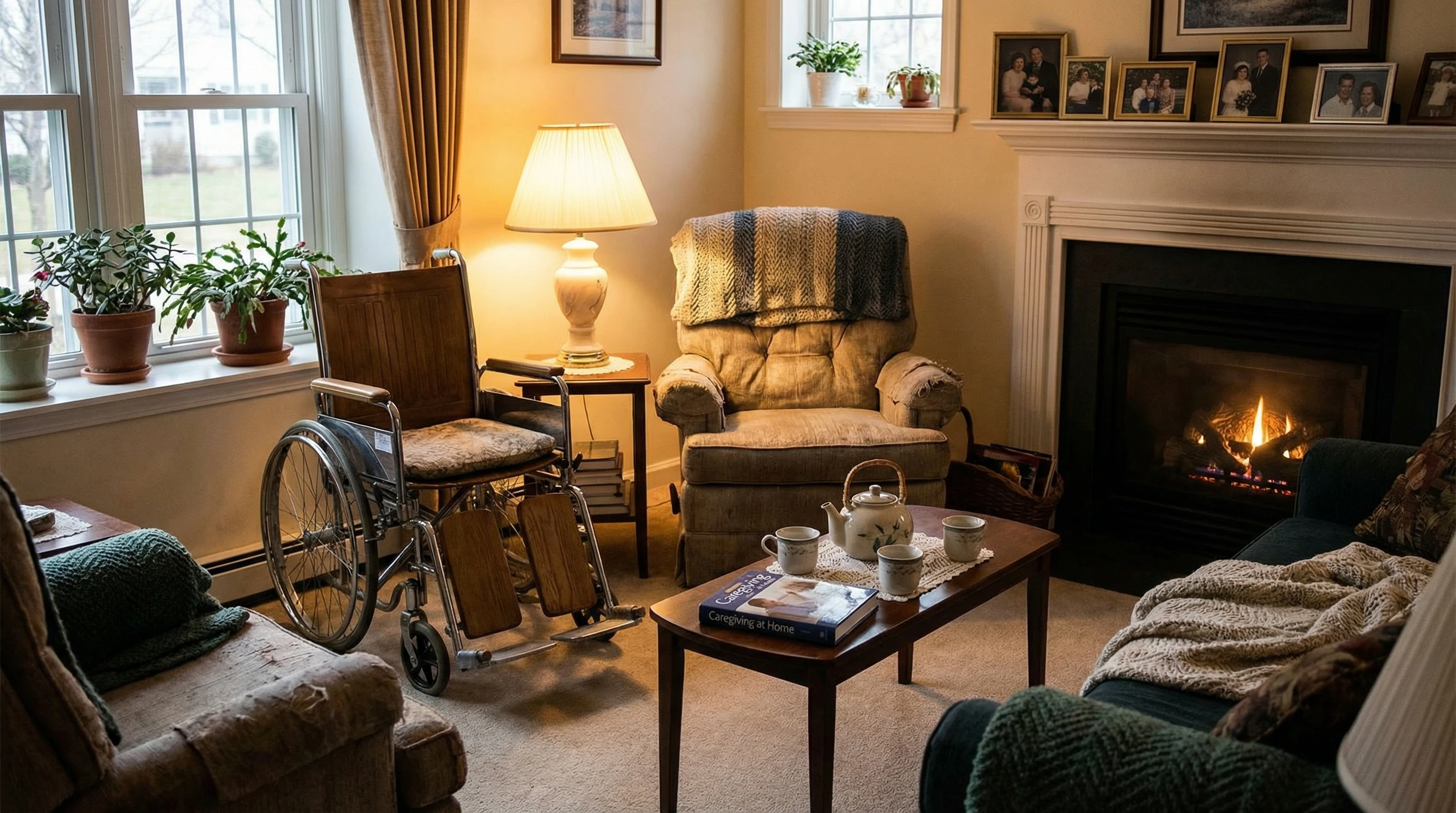
Deciding between senior care at home and a senior living facility is a question I faced when caring for my father through his final years in New York City. The experience was deeply personal, and I saw firsthand how Medicaid expanded to support more services at home and how families like mine made choices based on comfort, cost, and culture.
New research and changes in healthcare policy are shaping where seniors live and receive care. Trends show more older adults, especially the oldest, those over 80, are able to remain at home with support, thanks in part to Medicaid and the wishes of families. Other families find that senior living communities are a better fit, often for health or social reasons. I want to check out the most recent numbers, the trends in care, the role of Medicaid, and the cultural differences that really shape these decisions.
Current Numbers: How Many Seniors Live at Home vs. Facilities?
The decision between aging at home and moving into a senior living facility is personal, but data helps frame the conversation. According to the Centers for Disease Control and Prevention’s National Center for Health Statistics, about 1.3 million Americans lived in nursing homes in 2023, while roughly 800,000 resided in assisted living facilities (CDC). By contrast, the great majority of older adults, about 93% of those over 65, live in private homes. For people over age 80, the numbers shift somewhat, but even in this group, as of 2022, fewer than 12% lived in any kind of senior living community (ACL 2022 Older Americans Report).
It’s clear that even as people live longer, more Americans are staying at home, sometimes with help from home health aides, adult day programs, or family caregivers. Seniors are also making use of new technology for daily support, like medical alert devices, and using telehealth services to connect with doctors from home. These advances make it easy for many to age in place safely and comfortably. Physical modifications, such as grab bars or stairlifts, have also become more popular in private homes, further improving seniors’ ability to stay where they feel at ease.
Recent Trends: The Move Toward Senior Care at Home
Scientific studies and news reports agree; more older Americans are getting care at home. There are several reasons for this switch up. Home care can be less expensive than residential care. Many seniors feel happier and healthier when they stay connected to their homes and communities. The pandemic accelerated this trend, as facilities faced stricter visitor limits and health concerns. This led many families to rely more on home-based care (Health Affairs).
Medicaid has played a role, as it now covers a wider range of home health and personal care services for qualifying seniors. In New York, where my father lived, Medicaid’s Managed Long Term Care program helped pay for aides to visit our home and provided support through his years of decline. As a family, we were committed to keeping him at home as long as possible, especially because that was what he wanted. Access to programs like Meals on Wheels and local senior centers have also made it easier for elders to receive assistance with nutritional and social needs, without leaving home.
The Cost of Senior Care: Why Home Care is Often Less Expensive
The cost difference between at-home care and facility living can be significant. According to Genworth’s 2023 Cost of Care Survey, the national median monthly cost for a private room in a nursing home was about $9,500, while assisted living averaged $4,500 per month. In comparison, home health aide services averaged about $5,100 per month for 44 hours of weekly care (Genworth Cost of Care Survey 2023).
The total cost depends on how much support a person needs. If family and friends provide some care, at-home care can cost less. Medicaid and veterans’ benefits sometimes lighten the financial load for those who qualify. For my father, Medicaid covered most in-home services, and our out-of-pocket expenses were well below what a full-time facility would have cost. Many families also use a combination of informal family support with paid care, maximizing flexibility and keeping costs manageable. Planning ahead for long-term care insurance, if possible, can also give a boost to the affordability of in-home care.
Medicaid’s Influence: More Home Services for Seniors
Medicaid covers over 60% of seniors living in nursing homes, but its influence on home care has grown in the past decade. In 2013, Medicaid spent more on institutional care like nursing homes than on home and community-based services. In the past five years, those numbers flipped. Now, more Medicaid dollars go toward helping people remain at home (KFF: Trend in Medicaid HCBS).
Hospice care at home has also expanded. My father spent his last year getting in home hospice, surrounded by family. Only in the last month did his care level require transfer to a facility. According to NHPCO, more than half of all Medicare-supported hospice days were delivered at home in 2022, and the number is rising as more families choose this path. In many states, new Medicaid waivers and demonstration programs are making it easy to get needed services while aging in place, like physical therapy or personal care aides.
Cultural Factors That Shape Senior Care Decisions
Family values and culture play a huge role in senior care choices. In my experience, recent immigrant families in New York City rarely move elders into facilities unless there is no other option. People from cultures that emphasize multigenerational living or filial responsibility see caring for parents at home as normal and expected. This was the case for several families I met through my father’s home care aides. Many of them shared stories of their own elders staying at home surrounded by extended family, even as health needs changed.
American-born families might be more likely to consider senior living facilities, sometimes because of smaller family networks, work and distance, or personal preference. But even within American culture, there’s a switch up as more people notice the advantages of home-based care, especially with Medicaid and other services lending support. Social perceptions and family traditions make a big impact on these decisions. Local religious or community organizations are often involved, providing support and a sense of belonging for older adults at home.
Comparing Living at Home Versus Senior Living Facilities
- Quality of life: Many seniors report feeling happier at home, where the environment is familiar and routines can stay the same. Senior living facilities, on the other hand, can offer social opportunities and access to medical care onsite.
- Health and safety: For people with complex health needs or memory loss, facilities may provide a higher level of 24/7 care and safety. At-home care depends on regular visits or live-in aides.
- Cost: Home care can cost less if family is available or if care needs are light. Facilities become a better option when round-the-clock support is needed and family can’t provide it.
- Family involvement: At-home care lets families play a bigger role. In a facility, staff provide most care, but loved ones can visit often.
- Flexibility and familiarity: Home settings allow for personal schedules and foods, while facilities offer structure. Choosing between these can depend on individual preferences and what feels most comfortable for the senior and their family.
What’s Right for Your Family?
Caring for an aging parent or loved one is always a big decision. In my own adventure, I valued the time we had together at home and the support Medicaid offered us. Senior care choices depend on a mix of health needs, costs, values, and what’s available in your area. Although the numbers show a trend toward more home-based care, there’s no single right answer for every family. You may want to check in with local agencies or social workers for advice based on your family’s needs. For more information on costs and services in your local area, you can visit longtermcare.gov or contact your state’s office on aging.
#SeniorCare #HomeCare #SeniorLiving #Medicaid #AgingAtHome #ElderCare #SeniorTrends